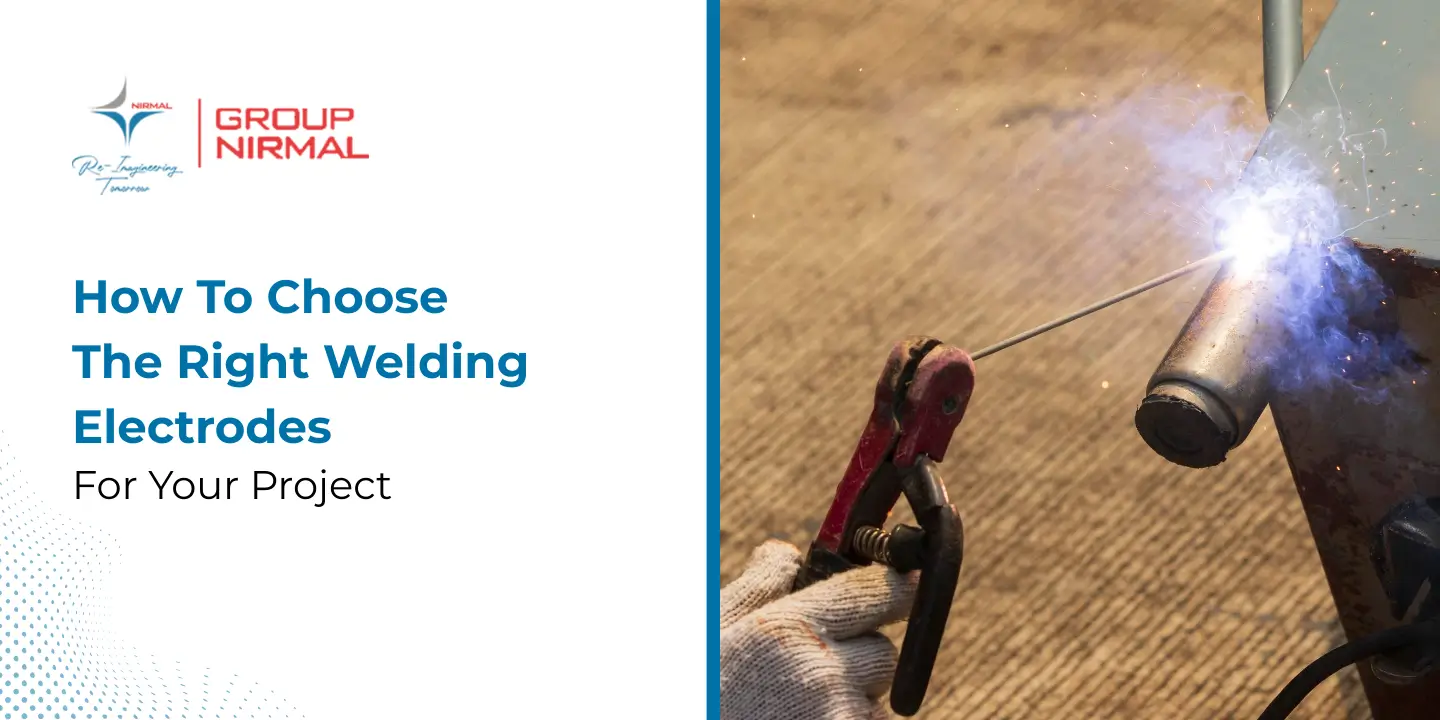
How to Choose the Right Welding Electrodes for Your Project
Introduction to Welding Electrodes
Defining Welding Electrodes
Welding electrodes are metallic rods or wires that serve as a filler material during the welding process. They conduct electricity to create an electric arc, fusing two metal pieces.. The electrode type profoundly influences the weld’s strength, appearance, and longevity.
Importance of Selecting the Right Electrode
Choosing the correct welding electrode ensures optimal fusion, minimal defects, and robust joint integrity. Using the wrong electrode may lead to weak joints, cracking, or even structural failure.
Understanding Different Types of Welding Electrodes
Mild Steel Electrodes
Mild steel electrodes are versatile and commonly used for general-purpose welding. They offer ease of use, good penetration, and moderate tensile strength, making them ideal for construction and repair work.
Stainless Steel Electrodes
Designed for corrosion-resistant welding, stainless steel electrodes maintain their integrity under heat and chemical exposure. They are crucial for applications in kitchens, chemical plants, and marine environments.
Cast Iron Electrodes
Cast iron electrodes are formulated for welding brittle iron without cracking. Preheating and controlled cooling are often required to ensure a durable weld.
Low-Hydrogen Electrodes
These electrodes minimize hydrogen-induced cracking. Low-hydrogen electrodes are indispensable for high-strength structural steel, bridges, and critical industrial components.
Classification of Welding Electrodes
AWS Classification System
The American Welding Society (AWS) classifies electrodes based on tensile strength, coating type, and position suitability. For example, E6013 is a versatile mild steel electrode suitable for general welding.
ISO and IS Standards
International standards like ISO 2560 and IS 814 define chemical composition, mechanical properties, and usage criteria, helping ensure consistent performance across industries.
Core Composition and Coating of Welding Electrodes
Metal Core: Material and Strength
The core material determines weld penetration, ductility, and tensile strength. High-carbon steel, low-carbon steel, and alloy cores serve distinct structural and functional needs.
Coating: Rutile, Cellulose, Basic Types
Electrode coatings influence arc stability, slag formation, and weld appearance. Rutile coatings provide smooth arcs, cellulose coatings excel in vertical or overhead positions, and basic coatings offer low-hydrogen protection.
Key Factors in Choosing Welding Electrodes
Base Metal Compatibility
Select electrodes compatible with the base metal to prevent cracking, porosity, or weak joints. Steel electrodes for steel, stainless for stainless, and so on.
Current Type: AC or DC
Electrodes are rated for alternating current (AC), direct current (DC), or both. Correct selection ensures arc stability and optimal penetration.
Welding Position and Accessibility
Some electrodes excel in flat positions, while others handle vertical, overhead, or tight spaces. Consider project geometry and accessibility.
Specialized Welding Electrodes
Electrodes for High-Temperature Applications
High-temperature electrodes resist oxidation and maintain strength under extreme heat, suitable for furnaces and boilers.
Electrodes for Marine and Corrosive Environments
Marine electrodes have enhanced corrosion resistance to withstand saltwater, humidity, and industrial pollutants.
Electrodes for Heavy-Duty Industrial Fabrication
For bridges, structural steel, and machinery, high-tensile electrodes ensure reliable welds with minimal rework.
Tips for Handling and Storage of Welding Electrodes
Moisture Prevention
Welding Electrodes absorb moisture, leading to porosity and weak welds. Keep them in sealed, dry containers.
Storage Temperature and Environment
Store electrodes in controlled environments, avoiding fluctuations in temperature or humidity that compromise performance.
Reconditioning Electrodes
If electrodes absorb moisture, re-baking them in an oven as per manufacturer guidelines restores usability and prevents hydrogen-induced defects.
Common Mistakes to Avoid When Using Welding Electrodes
Incorrect Electrode Diameter Selection
Using a too-large or too-small electrode affects penetration and bead formation. Match electrode diameter to material thickness.
Ignoring Electrode Polarity
Incorrect polarity may lead to spatter, poor fusion, or slag entrapment. Follow manufacturer recommendations for AC/DC settings.
Improper Arc Length and Travel Speed
Too long an arc or uneven travel speed can create weak joints, undercuts, or porosity. Practice ensures optimal results.
Advantages of Using the Correct Welding Electrodes
Enhanced Weld Quality
Correct electrodes produce uniform beads, robust penetration, and minimal defects, ensuring structural integrity.
Reduced Defects and Rework
Proper selection reduces cracking, porosity, and slag inclusions, saving time and material costs.
Increased Project Efficiency
Optimized electrode choice accelerates welding speed and reduces downtime, enhancing overall productivity.
Future Trends in Welding Electrodes
Advanced Alloy Coatings
Emerging electrode coatings improve arc stability, corrosion resistance, and adaptability to specialized environments.
Eco-Friendly and Low-Fume Electrodes
With sustainability gaining importance, low-fume electrodes reduce environmental impact and enhance worker safety.


